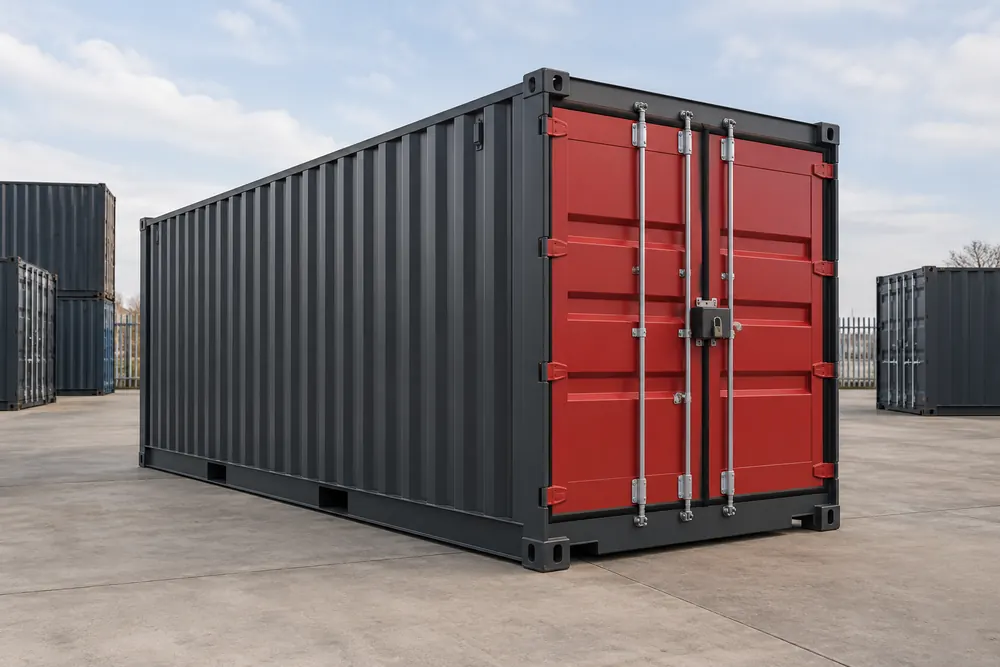
Storage That Fits The Material
A hired steel container can create separate space for tools, fittings, packaged materials and equipment. It can help keep a work area organised during construction or refurbishment. Describe what you intend to store, how it arrives and how often it will be accessed before choosing a container.
External dimensions alone do not tell you whether equipment will fit. Check the internal dimensions, door opening and floor loading for the offered unit. Pallets, long items and wheeled equipment may need a different arrangement from hand-carried tools. Avoid ordering on the assumption that every container with the same nominal size has an identical usable opening.
Ground, Doors And Everyday Access
The container needs stable support that allows the doors to operate correctly. Uneven support can cause practical problems with alignment and access. Give the hire firm details of the surface, slope and any uncertainty about load-bearing capacity, then prepare the standing area to the agreed requirements.
Allow room for the doors to open fully without obstructing a pedestrian route or traffic lane. Consider where users will stand while handling materials, especially in rain or low light. A useful container position balances easy access with safe separation from vehicle movements and other activities in the compound.
Security And Weather Protection
Ask about the door condition, locking arrangement and whether a lock box is included. Confirm who supplies the padlock and who will hold keys. Steel storage can support compound security, but valuable equipment still needs a suitable management arrangement and any checks required by your insurer.
Weather resistance and condensation are separate questions. A sound container may still develop internal condensation as temperatures change and damp materials release moisture. Describe sensitive goods before hire and ask about ventilation and suitable storage precautions. Keep items arranged so the contents can be checked without climbing over materials or blocking the exit.
Delivery Needs A Proper Plan
Container placement may require a vehicle with lifting equipment and adequate operating space. Send entrance photographs and explain low bridges, narrow turns, overhead lines and restrictions at the unloading point. The proposed delivery method should match the site rather than rely on a general description of good access.
The Lifting Operations and Lifting Equipment Regulations 1998 apply to workplace lifting operations using lifting equipment. The lift needs appropriate planning and supervision. Agree who controls the unloading area and who provides site information, including known ground hazards, before the delivery vehicle is booked.
Safe Storage On A Working Site
A storage container is not an office, rest room or complete welfare facility. Use accommodation intended for occupied workspaces when people need desks, heating or rest facilities. Where your project is construction work, the welfare arrangements under the Construction (Design and Management) Regulations 2015 must be considered separately.
Explain unusual contents such as fuels, chemicals, gas cylinders or materials with special storage requirements. Do not treat a general storage container as suitable for hazardous goods without a specific assessment. Keep heavy items stable, leave a clear exit and do not modify the structure or fittings without the hire firm’s agreement.
What A Container Quote Should Explain
Container hire pricing depends on the offered size and condition, hire length, delivery method, access and collection. Accessories, security fittings, damage cover and relocation may be separate. Ask for the full cost basis rather than comparing only a weekly rate that excludes transport.
Confirm the notice needed for off-hire and the condition expected on return. If you need to extend, contact the hire firm before the agreed end date. Keep the collection area accessible and empty the container before removal. Never assume the supplier will lift it with your materials still inside.
Combine Storage And Accommodation Sensibly
Separate storage can keep tools and bulky materials out of rest areas, offices and access routes. Sketch the compound with doors, steps, service points and traffic movements shown before deciding the position. This makes it easier to identify where a container would obstruct servicing or leave too little room for a later cabin delivery.
Use site cabin hire for changing or canteen space and office cabin hire for administration. If the project has no existing staff facilities, include welfare provision in the enquiry so storage is considered alongside the wider compound requirement.
Container Hire FAQs
Can A Container Be Used As A Site Office?
A general storage container should not be treated as a ready-to-use site office. An occupied workspace needs an appropriate layout, ventilation, lighting, heating and electrical provision. Ask for an office cabin specification if people will work inside, and keep equipment storage separate where it would reduce the usable working space.
Does A Container Need Level Ground?
A container needs a suitable, stable support arrangement so its structure is supported and its doors operate properly. Tell us about the proposed surface and any slope before delivery. The hire firm should explain the preparation required for the offered unit, including whether additional supports or ground assessment are needed.
Can A Storage Container Be Moved During Hire?
A storage container may be moved during hire by agreement with the supplier, using an appropriate delivery and lifting arrangement. Explain the proposed new position and access before arranging a relocation. Confirm whether the container must be emptied, and do not attempt to drag or lift it with unsuitable equipment.